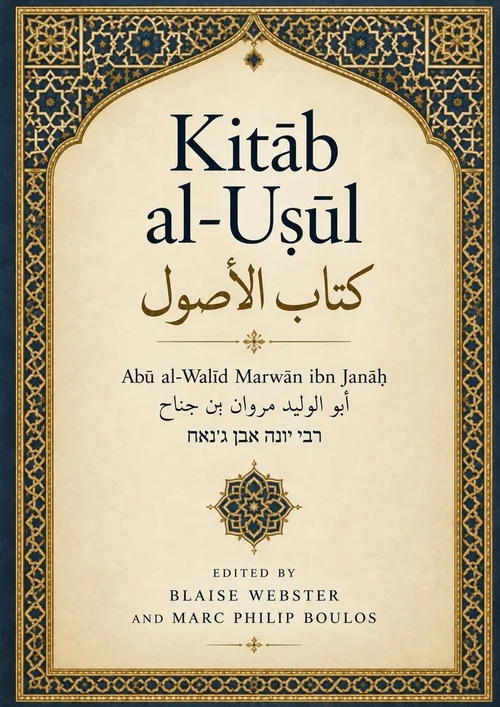
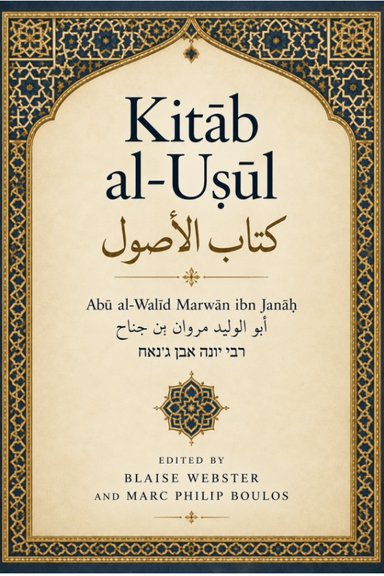
Kitāb al-Uṣūl: The Book of Hebrew Roots, by Abū al-Walīd Marwān ibn Janāḥ (Rabbi Yonah). Edited by Blaise Webster and Marc Philip Boulos, with a contribution by Andrea Bakas. Large-format scholarly edition (A4, 1,042 pages).
Odysseus crosses the world to return home, reclaim his estate, and restore his mastery. Abraham is carried across every boundary, leaving possession behind. One journey ends in conquest. So too, the divorce of Hebrew and Arabic.
For centuries, the Bible has been interpreted both through scientific methods and through the teachings of the Church. Both approaches are consistent with Western thought.
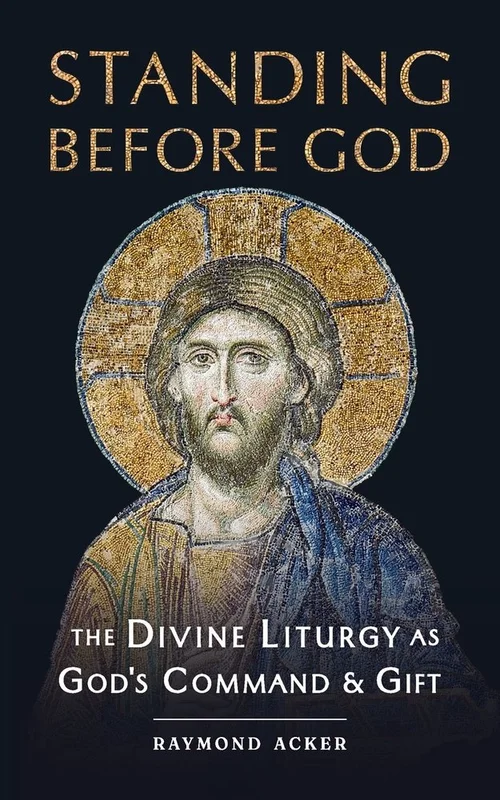
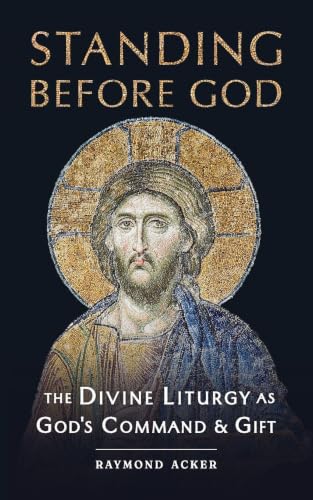
Standing Before God follows the order of the Liturgy itself. From the opening blessing to the dismissal, it traces what God does at each turn and what is required of those who remain in His presence: to stand,…
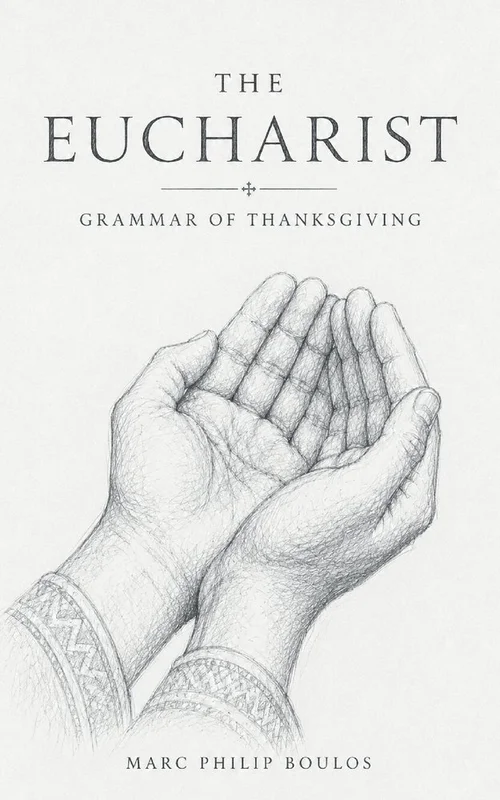
In The Eucharist: Grammar of Thanksgiving, Marc Philip Boulos offers a fierce and sweeping hearing of Scripture through the shared grammar of Hebrew, Greek, Arabic, and the Abrahamic scrolls.
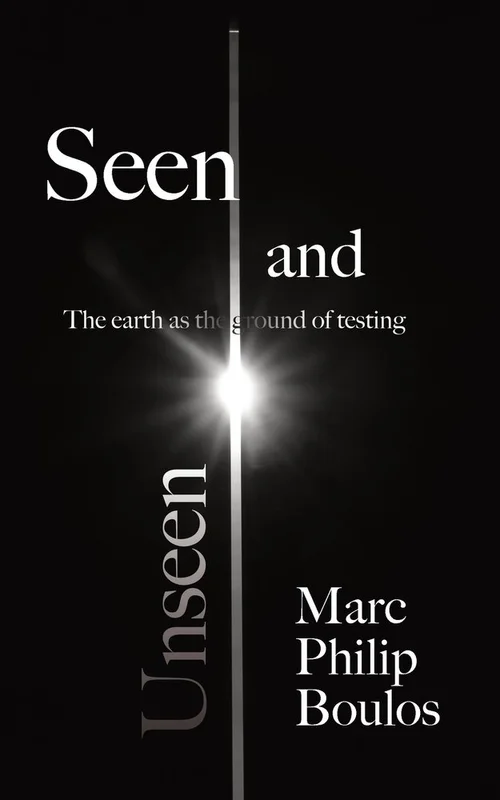
Seen and Unseen: The Earth as the Ground of Testing
Marc Philip Boulos
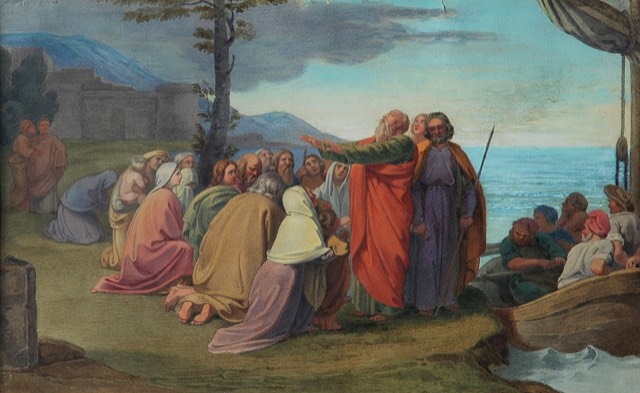
In Seen and Unseen, Marc Philip Boulos hears the twelve verses of Luke 8:41–56, the raising of Jairus’s daughter and the healing of the hemorrhaging woman, through the consonantal triliteral roots that bind…
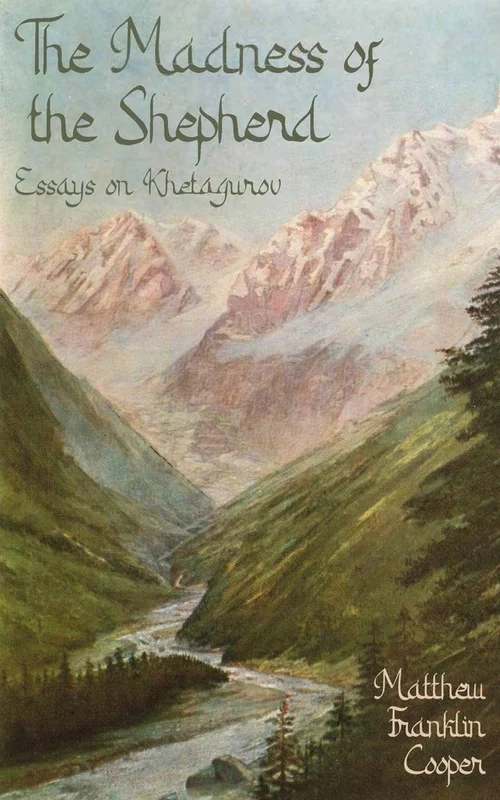
Kosta Levan Khetagurov (1859–1906) remains the towering figure of Ossetian literature and one of the most significant poets of the late Russian Empire.
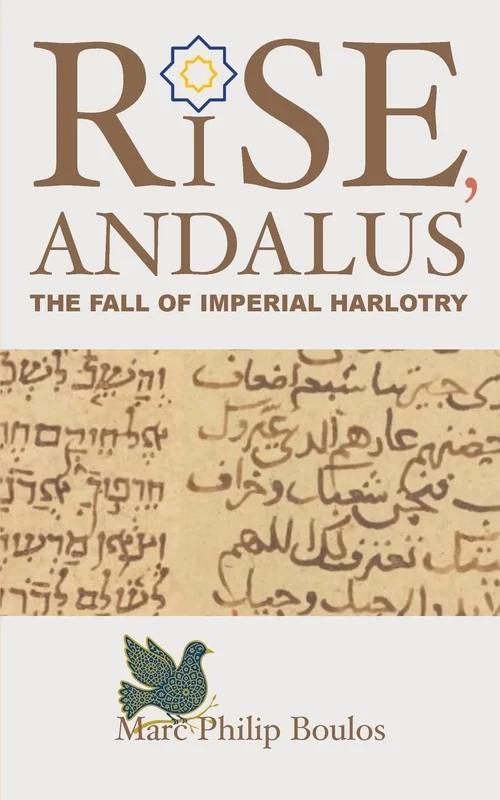
Rise, Andalus: The Fall of Imperial Harlotry argues that the destruction of the shared Semitic intellectual tradition-rooted in triliteral grammar, comparative philology, and cooperative scriptural study-was…
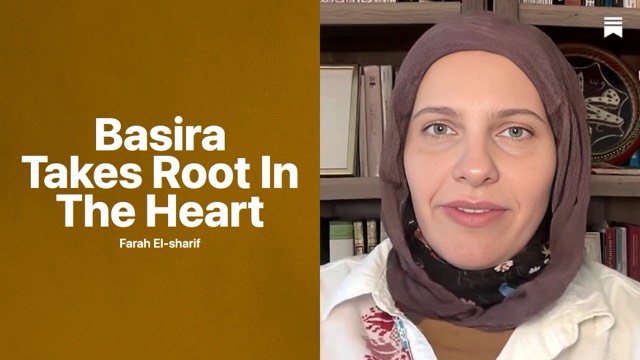
Reading Revelation through Prophetic Presence and Confraternity
Dr. Farah El-Sharif
Saturday, October 3, 2026, at the OCABS Symposium hosted at St. Elizabeth Orthodox Church, St. Paul, Minnesota.
Dr. Farah El-Sharif is a scholar of Islam, Sufism, and intellectual history, with a focus on West African Islam, the nation state, and colonialism. Her ancestral roots lie in the lands of “the fig and the olive, Mount Sinai, and this secure city,” and she is a granddaughter of al-Ḥusayn. She holds a PhD from Harvard and has served as a Lecturer and Visiting Scholar at Stanford. Named a Rising Scholar by the International Institute for Islamic Thought, her academic formation also runs through Georgetown’s School of Foreign Service and the Graduate Theological Union.
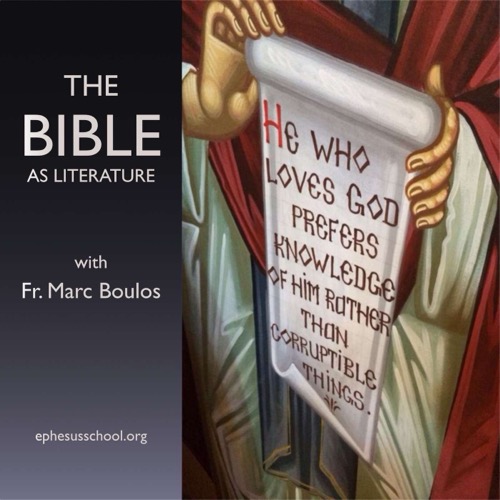
The Bible as Literature
With Fr. Marc Boulos
Each week, the Bible read as literature. The newest episodes play first.
Every day, one Semitic triliteral root heard in three scriptures: the root in Hebrew and Arabic, how it functions, and a passage from the Old Testament, the New Testament and the Qurʾan, read in the original languages with the English. Two or three minutes a day.
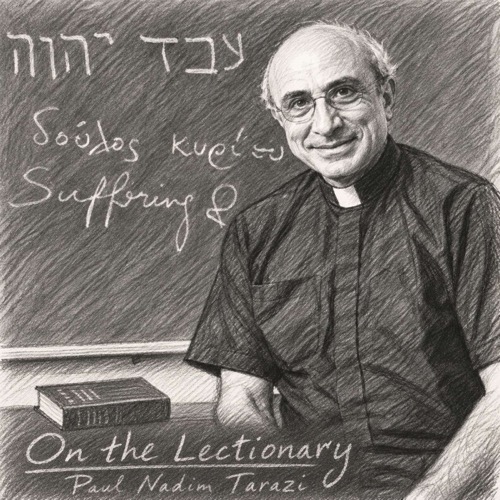
A daily note from the team at OCABS.ORG, drawing on the published works of Fr. Paul Nadim Tarazi, with citations to his books and lectures. Every day: the readings of the Orthodox lectionary read in full, a short note on them, and a root pair from the Consolation of Consonants. About five minutes a day.
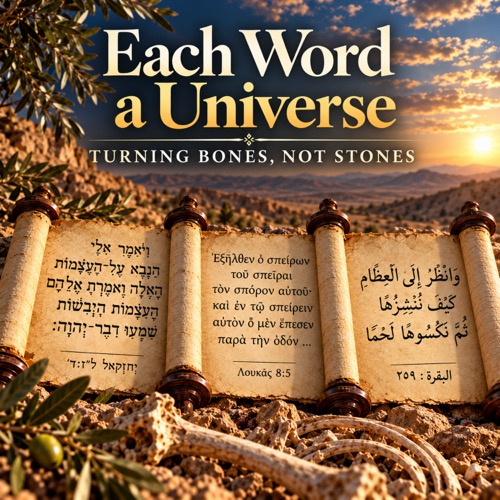
Turning Bones, Not Stones. One word of Scripture each day from Father Marc’s books, heard across the Torah, the Gospel and the Qurʾan: the Hebrew root, its Greek carrier, its Arabic cognate. Read by Fāṭima. A few minutes a day.
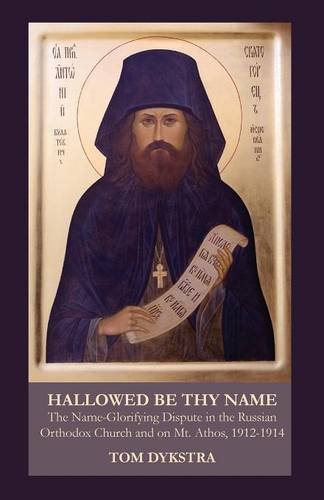
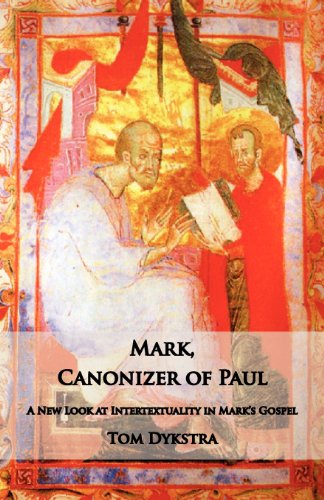
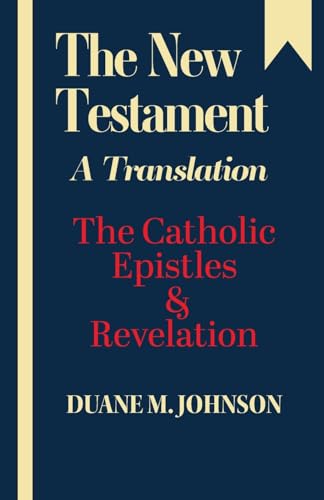
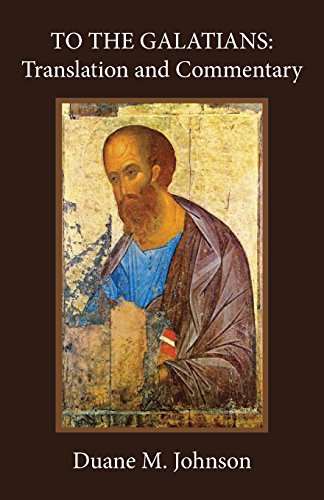
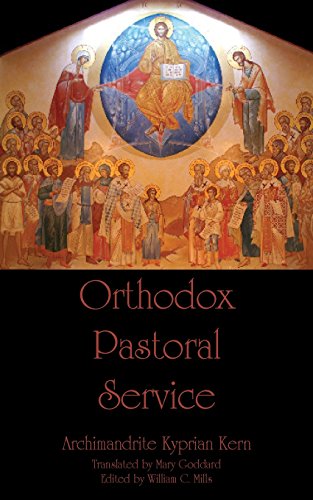
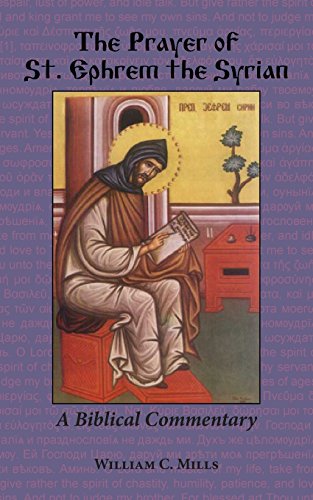
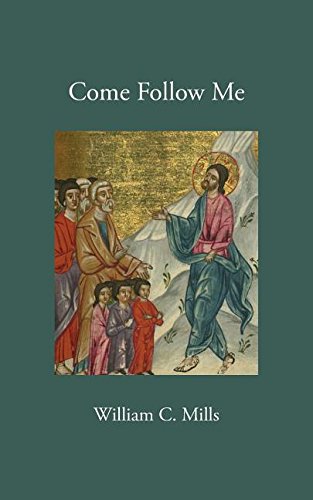
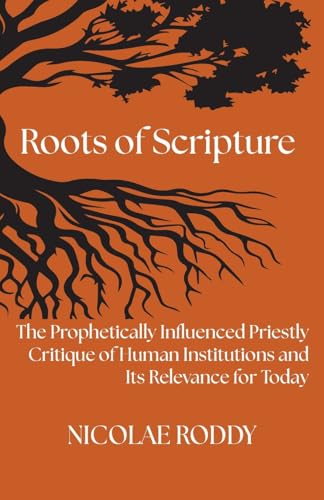
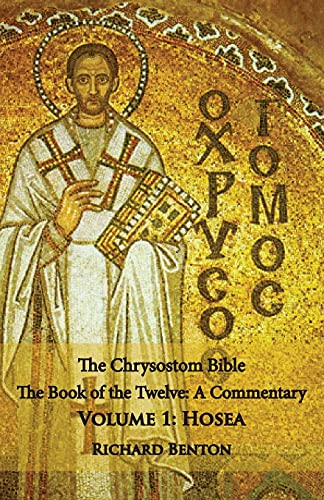
Our authorsIskandar Abou-Chaar, Paul Nadim Tarazi, Merja Merras, Raymond Acker, Andrea Bakas, Marc Philip Boulos, Matthew Franklin Cooper, Blaise Webster, Tom Dykstra, Duane M. Johnson, Archimandrite Kyprian Kern, William C. Mills, Nicolae Roddy, Bethany Saros, and Richard Benton
Iskandar Abou-Chaar
Rereading Isaiah 40–55 as the Project Launcher for the Books of the Law and the Prophets
Paul Nadim Tarazi
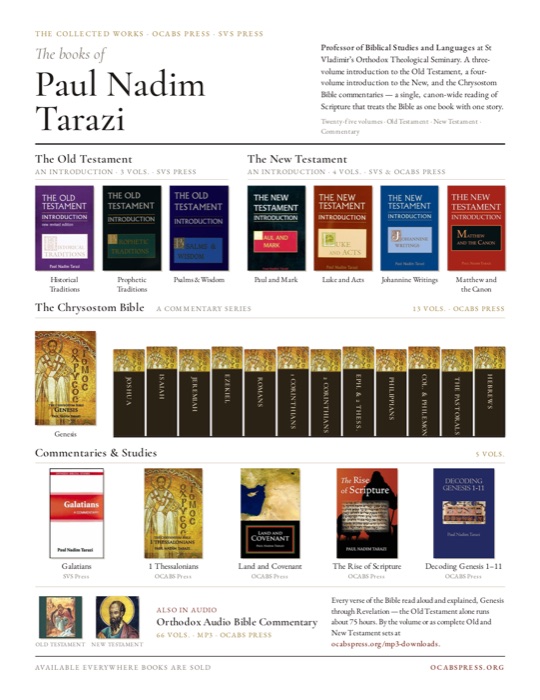
The Rise of Scripture
Decoding Genesis 1–11
Land and Covenant
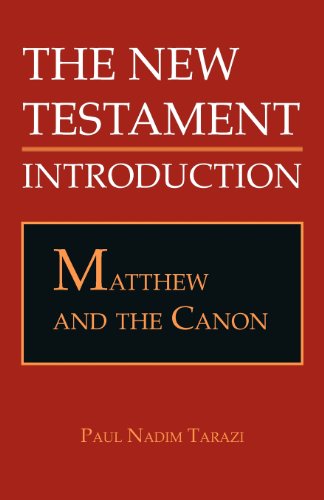
Matthew and the Canon
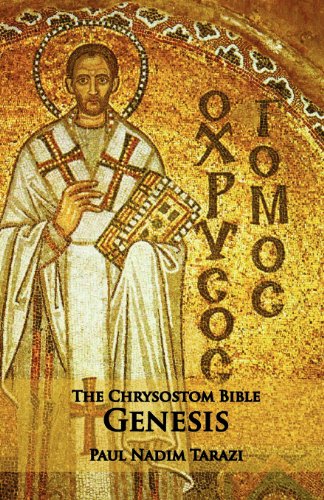
The Chrysostom Bible, a commentary series in 13 volumes: Genesis, Joshua, Isaiah, Jeremiah, Ezekiel, Romans, 1 & 2 Corinthians, Ephesians & 2 Thessalonians, Philippians, Colossians & Philemon, the Pastorals, Hebrews
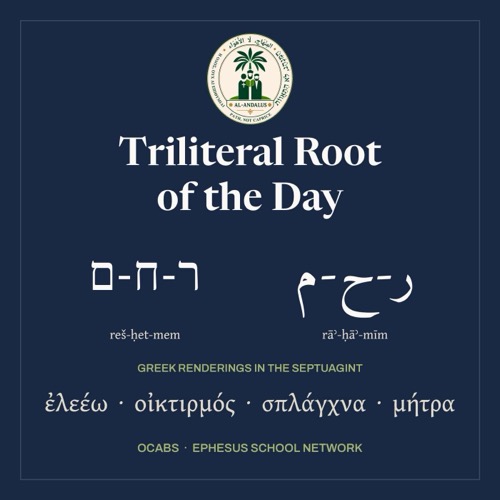
In Hebrew and Arabic the word for mercy grows out of the word for womb: reḥem (רֶחֶם) and raḥim (رَحِم). In this instance, the Septuagint carries the root into Greek as oiktirmon, and the New Testament takes that word up for the mercy of the Father.
Old Testament
אֵל רַחוּם וְחַנּוּן
ʾel raḥum weḥannun
“compassionate and gracious” God
Exodus 34:6
מֵרַחֵם בֶּן־בִּטְנָהּ
meraḥem ben-biṭnah
“compassion on the son of her womb”
Isaiah 49:15
לֹא רֻחָמָה
loʾ ruḥamah
“not pitied”: the name of Hosea’s daughter
Hosea 1:6
New Testament
γίνεσθε οἰκτίρμονες
ginesthe oiktirmones
“Be merciful, just as your Father is merciful”
Luke 6:36
ὁ πατὴρ τῶν οἰκτιρμῶν
ho pater ton oiktirmon
“the Father of mercies”
2 Corinthians 1:3
διὰ τῶν οἰκτιρμῶν τοῦ θεοῦ
dia ton oiktirmon tou theou
“by the mercies of God”
Romans 12:1
διὰ σπλάγχνα ἐλέους θεοῦ ἡμῶν
dia splagchna eleous theou hemon
“because of the tender mercy of our God”
Luke 1:78
Bridge: the Septuagint renders raḥum in Exodus 34:6 as oiktirmon (οἰκτίρμων).
Qurʾan
بِسْمِ ٱللَّهِ ٱلرَّحْمَٰنِ ٱلرَّحِيمِ
bismi llāhi l-raḥmāni l-raḥīm
“In the name of God, the Compassionate, the Merciful”
Greek renderings from the CATSS Hebrew–Greek parallel text (CCAT, University of Pennsylvania). English: World English Bible; the Qurʾan in Pickthall’s rendering. Transliteration follows the Andalus system.
The Andalus Method
Miqra · Injīl · Qurʾān
The Consolationof Consonants
عَزاءُ الصَّوامِت
Every triliteral of the Qurʾan set against the Hebrew and Aramaic roots of the Bible, aligned radical by radical under the regular shift: the constellation of function across the scrolls, with the Septuagint as the lexical spine that connects the three scrolls of Abraham as one organism. Each root opens onto the classical lexicons and onto Fr. Paul Nadim Tarazi’s comments on the root and its verses.
1,651 Qurʾanic roots · 3,081 biblical roots and lexemes · 2,315 correspondences · 725 Qurʾanic roots with an A–D correspondence · 3,080 Greek words of the New Testament, through the Septuagint · 4,335 entries from the Tarazi corpus.
Loading the roots…Hebrew / Arabic
The roots load as this panel comes into view.
Inspired by the ʿulamāʾ of al-Andalus, and especially by Kitāb al-ʾUṣūl, from the hand of the master grammarian Ibn Janāḥ (ابْن جَنَاح, janāḥ, lit. “wing”), also known as Rabbi Yonah (רַבִּי יוֹנָה, yonah, “dove”).
The OCABS digital voice Fāṭima (فَاطِمَة) is named in honor of the learned women of al-Andalus, particularly Fāṭima bint Yaḥyā al-MaghāmīFāṭima bint Yaḥyā al-Maghāmī (فَاطِمَة بِنْت يَحْيَى الْمَغَامِي)Córdoba · d. 931A jurist (fiqh) of early al-Andalus, among the most learned and respected legal and scriptural scholars of Córdoba., Fāṭima al-SharrāṭUmm al-Fatḥ Fāṭima al-Sharrāṭ (أُمّ الْفَتْح فَاطِمَة الشَّرَّاط)Córdoba · d. 1216–1217A scholar of Qurʾanic recitation (qirāʾāt), hadith, and Arabic letters, trained in the reading of Nāfiʿ and in classical Arabic literature., and Fāṭima bint al-MuthannāFāṭima bint al-Muthannā (فَاطِمَة بِنْت الْمُثَنَّى)Córdoba and Seville · twelfth centuryA Sufi master and teacher of Ibn ʿArabī (1165–1240), renowned for her knowledge of the Qurʾan, above all Sūrat al-Fātiḥa., whose legacies embody the Andalusian traditions of scriptural scholarship, jurisprudence, education, and wisdom.
Exegetical Notes for Preaching and Teaching
By Fr. Paul Nadim Tarazi
Notes on the Sunday Gospel readings, from the Lenten Triodion through the Sundays of Luke, for clergy, students, educators, and anyone who preaches or teaches. Available in English, with translations into Arabic, Chinese, French, Greek, Russian, and Serbian.
No notes match that search. Clear the search or choose All.
Support the work
OCABS is sustained by its readers and listeners. Every gift, whatever the amount, supports the renewal of scriptural study and preaching in the Orthodox Church.
 Full catalog (PDF)25 volumes, plus the 66-volume audio commentary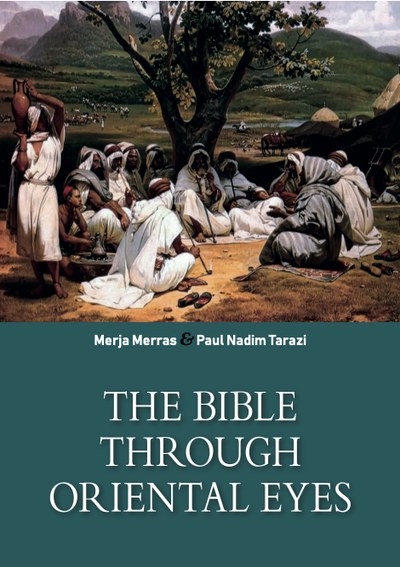

 seocc.org/andalus